Latex vs Memory Foam Mattress: Which One Sleeps Cooler?
There's a particular kind of misery in waking at 3am with the duvet kicked to the floor and the pillow flipped twice already. British homes are built to hold heat in, almost none of us have air conditioning, and for a few weeks every summer our bedrooms turn into greenhouses. You can change your bedding easily enough. The mattress is the harder question, because it's the one thing touching you all night that you can't kick off.
If you're weighing up latex against memory foam, here's the short answer: latex sleeps cooler, and it isn't especially close. The reasons why still matter, though, because they'll tell you whether "cooling gel" is worth paying for and what to check before you buy.
Why the mattress matters more than your duvet
Your body needs to shed a little heat to fall asleep and stay there. Most of that heat leaves through your skin, and for seven or eight hours a large slice of your skin is pressed against the mattress. A pocket of warm, humid air builds up between you and the surface, and what happens next depends on the material. Some surfaces let that warmth and moisture drift away. Others store it and slowly feed it back to you, which is why some people feel fine at midnight and roasting by 4am.
A duvet is easy to fix. Swap a 13.5 tog for a 4.5 tog and you're done. A mattress that stores heat will make you warm under any duvet, in any month, for the decade you own it. That's why the material deserves more attention than it usually gets.
How memory foam handles heat
It needs your warmth to work
Memory foam is temperature sensitive by design. The material stays firm when cool and softens where your body warms it. That's where the slow, melting contour from the adverts comes from. The foam depends on your warmth to do its job. It's also dense, with millions of tiny cells packed tightly together, so air struggles to move through it even when nobody is lying on it.
The deeper you sink, the warmer you get
Once the foam softens, you settle into it, often by several centimetres. The material wraps around your shoulders, hips and back, which feels lovely for pressure relief but increases how much of your body sits in direct contact with the foam. More contact means more trapped heat and nowhere for moisture to go. This is why memory foam complaints follow a pattern: comfortable at bedtime, sweaty in the early hours. The foam has spent half the night absorbing your warmth and has nowhere to put it except back into you.
There's a smaller annoyance too. Rolling over onto a fresh patch of memory foam doesn't give you the cool relief you'd get on other surfaces, because the whole slab holds warmth once your body has heated it.
How latex handles heat
An open structure that breathes on its own
Latex is foamed rubber, whipped with air before it sets, so the finished material has an open cell structure through its entire depth. It's also baked in moulds lined with metal pins, which leave hundreds of visible holes running through the mattress core. The result is a material that air moves through easily. Every time you shift in the night, you push a little warm air out and draw cooler air in, like a slow bellows.
You sleep on it, not in it
Latex responds to pressure rather than temperature. Press it and it gives instantly; lift off and it springs back just as fast. It doesn't need to warm up before it conforms to you, and it doesn't let you sink the way memory foam does. You lie on the surface with less of your body enclosed, so there's simply less material hugging you and holding heat against your skin.
Dunlop, Talalay and the small differences between them
If you start shopping you'll meet two names. Dunlop latex is poured in one go, so it comes out denser and slightly firmer. Talalay latex is flash frozen during production, so the cell structure comes out more open and consistent, with a springier, airier feel. Talalay usually edges it for breathability, but honestly, either one runs cooler than standard memory foam. I wouldn't choose between them on temperature alone; choose on feel and budget.
Does "cooling" memory foam close the gap?
Manufacturers know memory foam runs warm. That's why so many models now come infused with gel, graphite or copper, or advertise an open cell structure, and it's worth being straight about what these actually do. Gel feels cool the moment you lie down because it pulls heat away from your skin quickly. The catch is that gel can only absorb so much. By the small hours it has taken on your body heat and sits there holding it, centimetres from your skin. Graphite and copper move heat through the foam a little better, and modern open cell memory foam does breathe more than the dense slabs of ten years ago.
The honest verdict: cooling technology makes memory foam less warm not cool. None of it changes the basic behaviour, which is a heat-softened material cradling your body closely. If you sleep slightly warm, a good gel infused foam might be enough. If you regularly wake up sweating, it's treating the symptom.

What else decides how hot you sleep
The mattress is the biggest factor you can control, but it isn't the only one. Before you spend anything, check the rest of the picture:
-
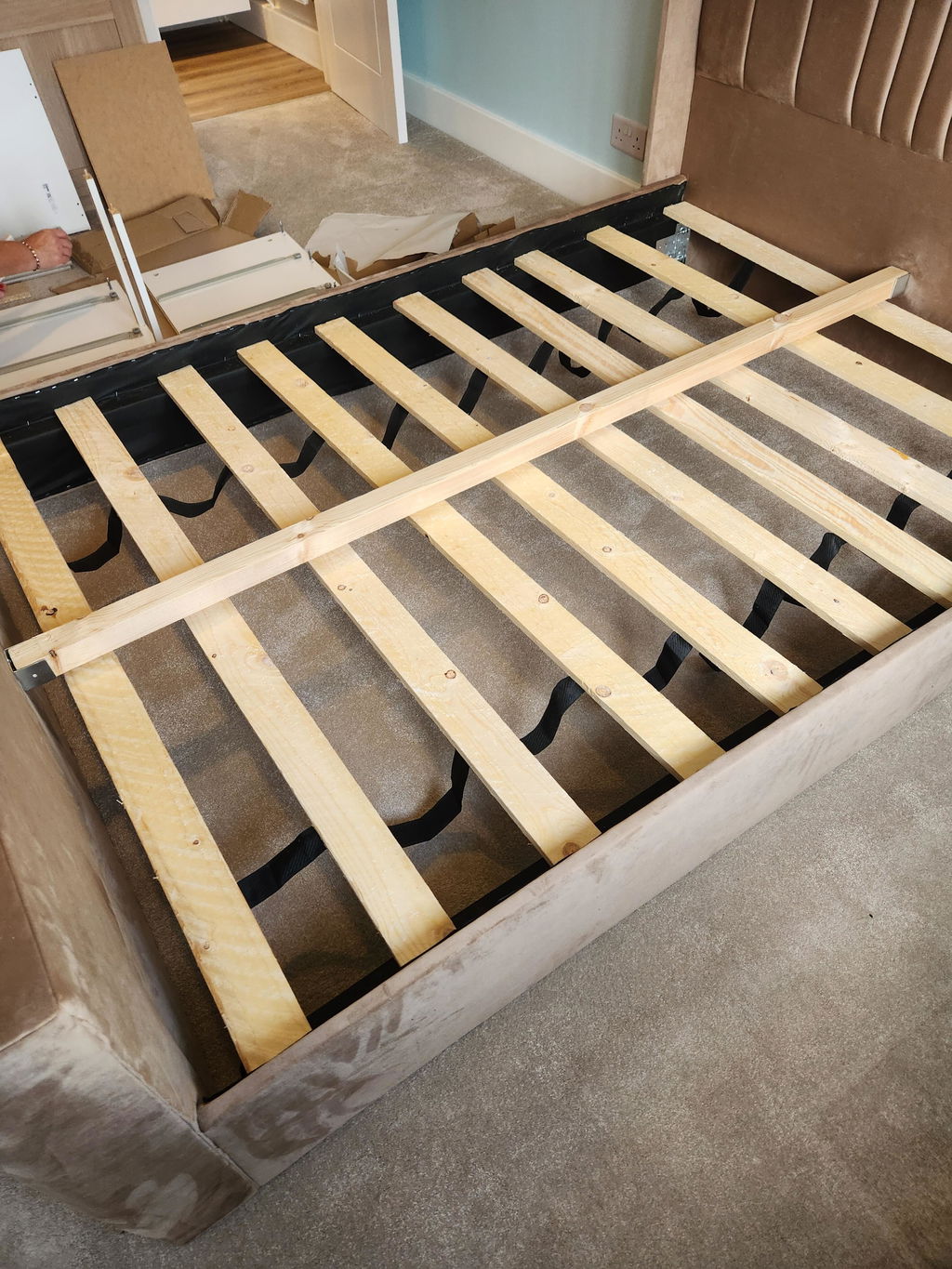
The base matters. A slatted base or a sprung top divan lets air reach the underside of the mattress, while a solid platform top means the mattress can only breathe upwards, so the cover and protector have to work harder.
-
Cheap protectors undo good mattresses. A vinyl backed or polyester protector sits between you and all that breathable material like cling film. Cotton or Tencel protectors cost a little more and let the mattress do its job.
-
Then there's bedding. Polyester sheets and a 13.5 tog duvet in July will make any mattress feel tropical, while cotton or linen sheets with a summer duvet help more than most people expect.
-
Two sleepers means double the heat. Couples warm a mattress far faster than solo sleepers, which is partly why one partner often blames the mattress while the other feels fine.
-
And some people simply run hot: menopause, certain medications and carrying more body weight all raise the stakes. If that's you, the material choice stops being optional.
So which one should you buy?
For most people who genuinely sleep hot, latex is the better mattress. It stays cool for structural reasons rather than through added ingredients, and it keeps you up on the surface where air can reach you. Those properties hold for years, because there's no gel layer to saturate and no dense foam slowly softening around you. The trade offs are real, though: latex costs more than memory foam at a comparable size, it's noticeably heavier to move, and the springy feel isn't for everyone.
Memory foam still has a place. If you feel the cold, share a bed with someone who steals the duvet, or love that deep cradled feeling, its warmth can be a feature rather than a fault. Plenty of people sleep beautifully on it. They're usually not the people typing "why do I wake up sweating" into Google at 4am.
As a quick gut check:
-
Choose latex if you wake up hot, sleep with a partner, want a natural material, or want the mattress to last well past the ten year mark.
-
Choose memory foam if you sleep cold, sleep alone in a cool room, want maximum sink-in pressure relief, or you're working to a tighter budget.
Final thoughts
The temperature difference between these two materials isn't a marketing story. It comes from how each one is made. Memory foam works by absorbing your warmth and wrapping around you, so a degree of heat is baked into the experience. Latex is full of air by its nature and supports you at the surface, so heat escapes about as fast as you produce it. Cooling gels and clever covers narrow the gap without closing it.
UK summers are getting warmer and our houses aren't getting any better at coping, so this question will only matter more with each July that comes around. If you've been waking up hot on memory foam for years, you're not imagining it and you don't have to live with it. Look for a proper latex core and a cover in cotton or wool rather than polyester. Give it a base that lets air through and it will do the rest. You can compare Dunlop and Talalay options side by side in the latex mattress range at Divan Factory Outlet.
Frequently asked questions
Is latex always cooler than memory foam?
Almost always, yes. The main exception is a latex mattress wrapped in a thick synthetic cover, which can trap the heat the latex would otherwise release. Check the cover fabric before you buy.
Does gel memory foam keep you cool all night?
No. Gel feels cool when you first lie down, but it warms up as it absorbs your body heat, usually within the first hour or two. It makes memory foam milder, not cold.
Which is better for night sweats or menopause?
Latex, ideally with a cotton or wool cover. It moves heat and moisture away from your body instead of storing it, which makes hot flushes easier to recover from during the night.
Do I need a special base for a latex mattress?
A slatted base or sprung top divan is ideal, because air can reach the underside. A solid platform top still works; just pair it with a breathable protector and rotate the mattress now and then.
Can a topper fix a memory foam mattress that sleeps hot?
Partly. A 5cm latex or wool topper puts a breathable layer between you and the foam, and you'll feel the difference on the first warm night. The foam underneath will still store some heat, so treat it as an improvement rather than a cure.