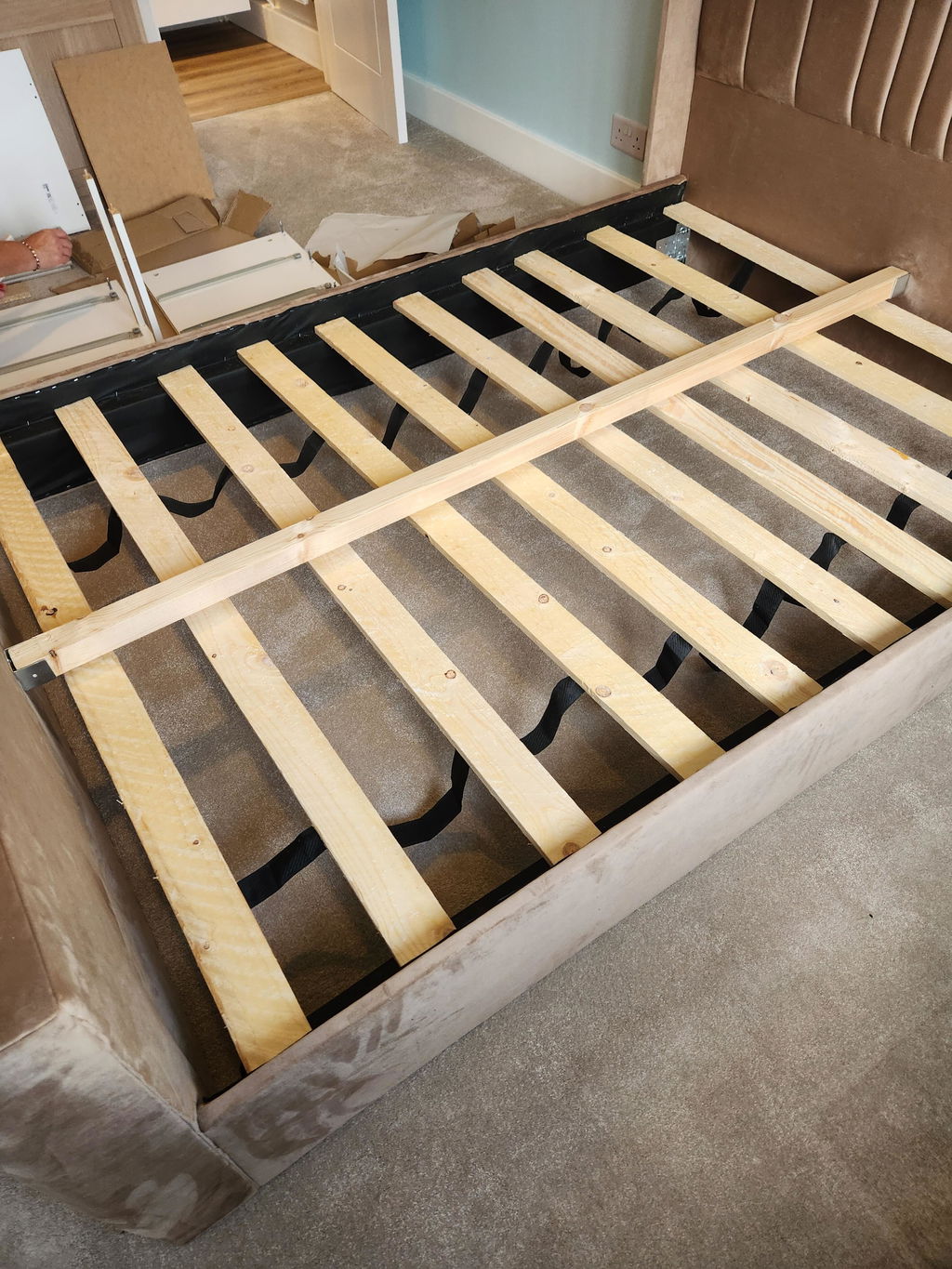
How to Choose the Right Floor Standing Headboard for Your Bed
A floor standing headboard can completely change how a bed looks and feels, but choosing the wrong one can make a bedroom feel cramped, mismatched or uncomfortable. The problem is that many people shop for a headboard as if it is only a decorative panel. In reality, it affects back support, wall protection, room proportions, bed stability, fabric maintenance and even how premium the whole bedroom feels.
This matters even more in the UK, where bedrooms often have to work harder. Many households are upgrading individual furniture pieces rather than redesigning full rooms, and bedroom furniture remains an active purchase category. Research and Markets reported in 2025 that 37.5% of UK consumers had purchased bedroom furniture in the previous 12 months, while the UK home furniture market was valued at around USD 18.26 billion in 2024 and forecast to grow through 2034.
What Makes a Floor Standing Headboard Different?
A floor standing headboard sits directly on the floor behind the bed rather than relying only on narrow wooden struts. This full-height structure gives the bed a more built-in, finished look and usually feels more stable once attached to the base.
For people who sit up in bed to read, watch TV or work on a laptop, that extra structure makes a noticeable difference. A lightweight strutted headboard may move slightly if pressure is applied repeatedly, while a floor standing design spreads support across a larger surface.
Divan Factory Outlet’s floor standing headboard collection includes sizes from small single to super king, with many models listed as 54 inches tall and available in more than 35 colours and fabrics, including plush velvet and wool-style options.
Start with the Right Bed Size
The first rule is simple: match the headboard to the bed base size, not just the mattress label. A double headboard should sit neatly behind a double bed base, while a king headboard should align with a king base. Even a small mismatch can make the bed look off-centre.
UK Bed Size Guide for Headboards
|
UK Bed Size |
Typical Mattress Size |
Headboard Buying Note |
|
Single |
90cm x 190cm |
Best for children’s rooms, guest rooms and narrow spaces |
|
Small Double |
120cm x 190cm |
Good for compact adult rooms or solo sleepers wanting more width |
|
Double |
135cm x 190cm |
The most common choice for UK couples and average bedrooms |
|
King |
150cm x 200cm |
Better for taller sleepers and larger main bedrooms |
|
Super King |
180cm x 200cm |
Works best where the wall width and room circulation allow it |
Dreams lists standard UK sizes including double at 135cm x 190cm, king at 150cm x 200cm and super king at 180cm x 200cm.
Check Room Proportions Before Choosing Height
A tall headboard can make a bedroom feel luxurious, but only if the room can carry the scale. In a small room with low ceilings, a very tall or winged headboard may dominate the wall. In a larger bedroom, the same height can create balance and stop the bed looking lost.
UK space standards give useful context. The nationally described space standard says a double bedroom in a new dwelling should have at least 11.5m² of floor area, and one double bedroom should be at least 2.75m wide.
That does not mean every UK bedroom meets those dimensions, especially in older homes, rentals and converted properties. So before ordering, measure three things: wall width, ceiling height and walking space around the bed. A floor standing headboard does not usually take much extra floor area, but its height and shape can strongly affect how open the room feels.
Choose a Style That Matches the Room, Not Just the Trend
Headboard trends have shifted towards softer more comfortable bedroom design. In 2026, upholstered headboards are being highlighted by interiors editors and retailers as a major bedroom trend, especially larger-scale designs, curved silhouettes, tactile textures, linen, cotton, bouclé and velvet.
Plain, Panelled or Winged?
A plain upholstered headboard works well in minimalist rooms because it adds softness without visual clutter. A panelled design adds structure and suits modern divan beds. A winged floor standing headboard creates a hotel-style look and can make the bed feel more enclosed and cosy.
For example, a grey panelled headboard may suit a rental flat because it is neutral and easy to style with different bedding. A deep velvet winged headboard may suit a main bedroom where the bed is intended to be the focal point. A soft beige or oatmeal fabric can work well in smaller rooms because it adds texture without making the space feel heavy.
Pick Fabric and Colour Based on Real Use
Fabric choice should not be based only on what looks best in product photos. Think about how the room is actually used.
A velvet headboard can look rich and warm, especially in navy, emerald, charcoal or cream. Wool-style fabrics often suit calmer, Scandinavian-inspired rooms. Mid-tone colours such as grey, taupe, stone and mink are practical because they hide everyday marks better than bright white or very pale cream.
For busy homes, guest rooms or rental properties, durability matters more than dramatic styling. If the room has pets, children or frequent guests, choose a forgiving texture and a colour that does not show every touch mark.
Also consider ventilation. The English Housing Survey found that in the private rented sector, damp was present in 4% of bedrooms in 2023. If a bedroom has condensation or a cold external wall, avoid pushing any upholstered furniture tightly against damp surfaces and allow airflow where possible.
Think About Renters, Landlords and Wall Protection
A floor standing headboard can be a smart choice for renters because it usually depends less on wall mounting than a wall-fixed design. That matters in the UK, where the private rented sector accounted for 19% of UK households in the year ending March 2024.
For tenants, it reduces the temptation to drill into walls. For landlords and serviced accommodation owners, it can help protect walls from pillow marks, scuffs and repeated bed movement. For hospitality-style spaces, a stable upholstered headboard also makes the room feel more finished without requiring a full bed replacement.
Check Bed Base Compatibility
Most floor standing headboards are designed to work especially well with divan bases, but you should still check the fitting points before buying. The headboard should align with the base bolts or fixing points, sit flat against the floor and avoid blocking drawers on storage beds.
Buyer’s Checklist Before Ordering
-
Measure the bed base width, not just the mattress.
-
Check the ceiling height and wall width.
-
Confirm whether the headboard fits your divan, ottoman or electric base.
-
Make sure drawers can still open if the bed has side storage.
-
Choose fabric based on lifestyle, not only colour preference.
-
Check delivery access, especially for stairs and narrow hallways.
Look for permanent fire safety labelling on upholstered products.
Do Not Ignore Fire Safety and Product Labelling
Because floor standing headboards are often upholstered, fire safety matters. UK guidance states that upholstered furniture must pass relevant safety tests and be labelled correctly for flammability. A specific furniture fire safety guide also notes that upholstered bed headboards must meet the requirements for domestic upholstered furniture.
The UK’s 2025 amendment to the Furniture and Furnishings Fire Safety Regulations came into force on 30 October 2025. It removed the requirement for display swing labels on new products, but the durable permanent label requirement remains important.
Common Mistakes to Avoid
-
Buying a headboard wider than the bed because it “looks more luxurious” online.
-
Choosing a very tall design for a low-ceiling loft room.
-
Picking pale fabric for a high use guest room.
-
Forgetting to check drawer clearance on an ottoman or divan base.
-
Ignoring skirting boards, plug sockets or wall lights behind the bed.
-
Choosing style before checking safety labels and fittings.
Conclusion:
The right floor standing headboard should do more than complete the look of your bed. It should suit the size of the room, support how you use the bed, work with your base, meet UK safety expectations and still look good years later.
As bedroom design continues to move towards comfort, texture and personalisation, floor standing headboards are likely to remain popular in UK homes. They offer a practical middle ground: a strong visual upgrade without replacing the entire bed. Choose carefully, and the headboard becomes more than decoration it becomes the anchor of the room.
FAQs
What is a floor standing headboard?
A floor standing headboard is a full-height headboard that stands on the floor behind the bed and is usually attached to the bed base for stability.
Are floor standing headboards better than strutted headboards?
They are usually sturdier and more premium-looking because they rest on the floor rather than relying only on narrow struts.
What size floor standing headboard do I need?
Choose the same size as your bed base: single, small double, double, king or super king.
Is a floor standing headboard good for a small bedroom?
Yes, but choose a simple design, lighter colour and suitable height so it does not overpower the room.
Do upholstered headboards need fire safety labels in the UK?
Yes. Upholstered headboards should comply with UK furniture fire safety requirements and carry the correct permanent label.