10 Common Mistakes That Reduce the Lifespan of Your Wooden Bed
A wooden bed can be one of the longest-lasting pieces of furniture in your bedroom, but only when it is treated properly. Many people blame poor quality when their bed starts making noise, loosening at the joints, cracking, or losing its finish. In reality, the damage often comes from small everyday habits.
Wood is strong, but it is still a natural material. It reacts to moisture, heat, sunlight, pests, water, pressure, and rough handling. Conservation experts note that wooden furniture can be damaged by humidity, light, water, pests, and improper handling, which is exactly why regular care matters.
The good news is that most wooden bed problems are preventable. Below are the most common mistakes that reduce the lifespan of your wooden bed, along with simple ways to avoid them.
1. Placing the Bed in a Damp Room
Moisture is one of the biggest enemies of wooden furniture. Wood absorbs moisture when the air is humid and releases moisture when the air becomes dry. This constant swelling and shrinking can lead to cracks, splits, loose joints, and finish damage. High humidity can also encourage mould growth on wooden surfaces.
This is especially common when a bed is placed against a damp wall, near a leaking window, or in a room with poor ventilation. At first, the damage may not be obvious. Over time, you may notice swollen legs, a musty smell, discoloured patches, or a frame that no longer feels as solid as it used to.
To protect your wooden bed, keep it away from damp corners, fix leaks quickly, and allow air to circulate around the frame. After mopping the floor, make sure the legs are not sitting in moisture. A small gap between the wall and the bed can also help reduce trapped humidity.
2. Cleaning the Wooden Frame With Too Much Water
A quick wipe is fine, but soaking a wooden bed frame with water is a bad idea. Many people use a wet cloth and assume the wood will simply dry on its own. The problem is that water can enter small cracks, joints, screw holes, and unfinished edges.
Once moisture gets inside the wood, it may cause swelling, stains, rough patches, or weakening around the joints. Since wooden furniture is vulnerable to water and humidity, cleaning should always be gentle and controlled.
Use a soft, dry cloth for regular dusting. For deeper cleaning, use a slightly damp cloth and dry the surface immediately afterward. Avoid leaving wet towels, damp clothes, or spilled drinks on the headboard or side rails. Small water marks may look harmless, but repeated exposure shortens the life of the finish and the frame.
3. Ignoring Loose Screws and Joints
A wooden bed rarely becomes weak overnight. It usually starts with a small creak, a slightly loose bolt, or a side rail that moves more than it should. If you ignore these signs, the movement gets worse every time you sit, sleep, or turn over.
Loose joints put extra pressure on the wood. Screws can widen their holes, brackets can shift, and the frame may start rubbing in places it should not. This is one of the main reasons wooden beds become noisy and unstable.
Check the screws, bolts, brackets, and corner joints every few months. Tighten them when needed, but do not overtighten because that can strip the holes or crack the wood. If a joint keeps loosening, inspect it properly instead of forcing it tighter again and again.
4. Dragging the Bed Across the Floor
Dragging a wooden bed may seem easier than lifting it, especially during cleaning or room rearranging. But this habit can damage the frame faster than you think. When you drag the bed, the legs and joints take uneven pressure. A leg can twist, a corner bracket can loosen, or a side rail can crack.
This mistake is even more damaging if the bed is heavy or made from solid wood. The weight of the mattress adds more stress, and the frame may bend slightly while being pulled.
When moving a wooden bed, remove the mattress first. If the bed is large, disassemble it instead of dragging it in one piece. Use help when lifting, and place felt pads under the legs if you often move furniture for cleaning.
5. Overloading the Bed Frame
Every bed frame has a limit. Even a strong wooden bed can weaken if it carries more weight than it was designed for. Overloading usually happens when the bed has a very heavy mattress, weak slats, no center support, or people regularly sit on the same edge of the bed.
Jumping on the bed is another common problem. A wooden frame is designed to support steady, distributed weight. Sudden impact puts stress on the slats, side rails, and joints.
To extend your wooden bed lifespan, make sure the mattress is suitable for the frame. Check the slats and center support legs regularly. If the middle of the bed sags, do not ignore it. Sagging usually means the support system is under strain and needs adjustment or replacement.
6. Exposing the Bed to Direct Sunlight and Heat
Sunlight can make a bedroom feel warm and pleasant, but too much direct sunlight is not good for wooden furniture. Over time, strong light and heat can fade the finish, dry the surface, and create uneven colour patches. Wooden objects are also listed among items that need protection from light, moisture, pests, and handling damage.
Heat sources can be just as harmful. Placing a wooden bed too close to a radiator, heater, fireplace, or heating vent can dry the wood unevenly. This may lead to small cracks, roughness, or changes in the finish.
Try to position your bed away from direct afternoon sunlight. Use curtains or blinds when the sun hits the frame for long hours. Also, keep the bed away from heating appliances and avoid placing hot objects directly on wooden surfaces.

7. Using Harsh Polishes, Sprays, or Random Oils
Not every shiny product is good for wood. Some sprays leave a sticky layer. Some harsh cleaners can dull the finish. Some oils attract dust or create uneven patches. Using the wrong product repeatedly can make your bed look older instead of protecting it.
Furniture care experts warn that wood does not need to be “fed” with polish or oil, and they recommend avoiding spray polishes or silicone-based products because they can leave damaging residues on certain finishes.
The safest approach is simple: dust regularly, clean gently, and only use a polish or wax that suits the finish of your bed. Do not apply products too often. If your bed has a natural, lacquered, painted, or varnished finish, choose care products made for that specific surface.
8. Ignoring Bed Bugs and Other Pests
Pests can seriously affect how long your wooden bed stays usable. Bed bugs do not eat wood like termites, but they can hide in wooden bed frames, headboards, screw holes, cracks, and joints. The EPA notes that bed bugs are often found in cracks on bed frames and headboards, and they can squeeze into very small hiding spots.
This is where many homeowners make a costly mistake. They only check the mattress and forget the wooden frame. By the time they notice the infestation, bed bugs may already be hiding deep inside the joints or behind the headboard.
Look for signs such as dark spots, shed skins, tiny eggs, blood marks on bedding, or live bugs around the frame. Pay special attention to screw holes, corners, slats, and the back of the headboard. The University of Minnesota also recommends checking joints, overlapping parts, slots, screw holes, and cracks when inspecting a bed for bed bugs.
If you already see signs of infestation, act quickly. You should get rid of bed bugs so you can remove bugs from your wooden bed before the problem spreads further.
Avoid soaking the frame with random chemicals or using unsafe home remedies. The EPA recommends steps such as inspecting the bed frame and headboard, using mattress encasements, moving the bed away from the wall, placing interceptors under bed legs, heat-treating washable items, and vacuuming carefully.
9. Letting Dust, Sweat, and Spills Build Up
A wooden bed may not get dirty as quickly as a sofa or dining table, but it still collects dust, sweat, skin oils, hair, and fabric fibres. These build up around corners, carvings, slats, and joints. Over time, dust can mix with moisture and make the surface look dull or sticky.
Spills are even worse. Tea, coffee, water, juice, and other liquids can stain the finish or seep into small openings. If the spill reaches screw holes or joints, it can weaken those areas.
Make it a habit to dust the bed frame at least once a week. Clean under the mattress occasionally, especially around the slats. Wipe spills immediately with a dry cloth first, then use a lightly damp cloth if needed, and dry the area fully.
10. Forgetting About the Slats and Center Support
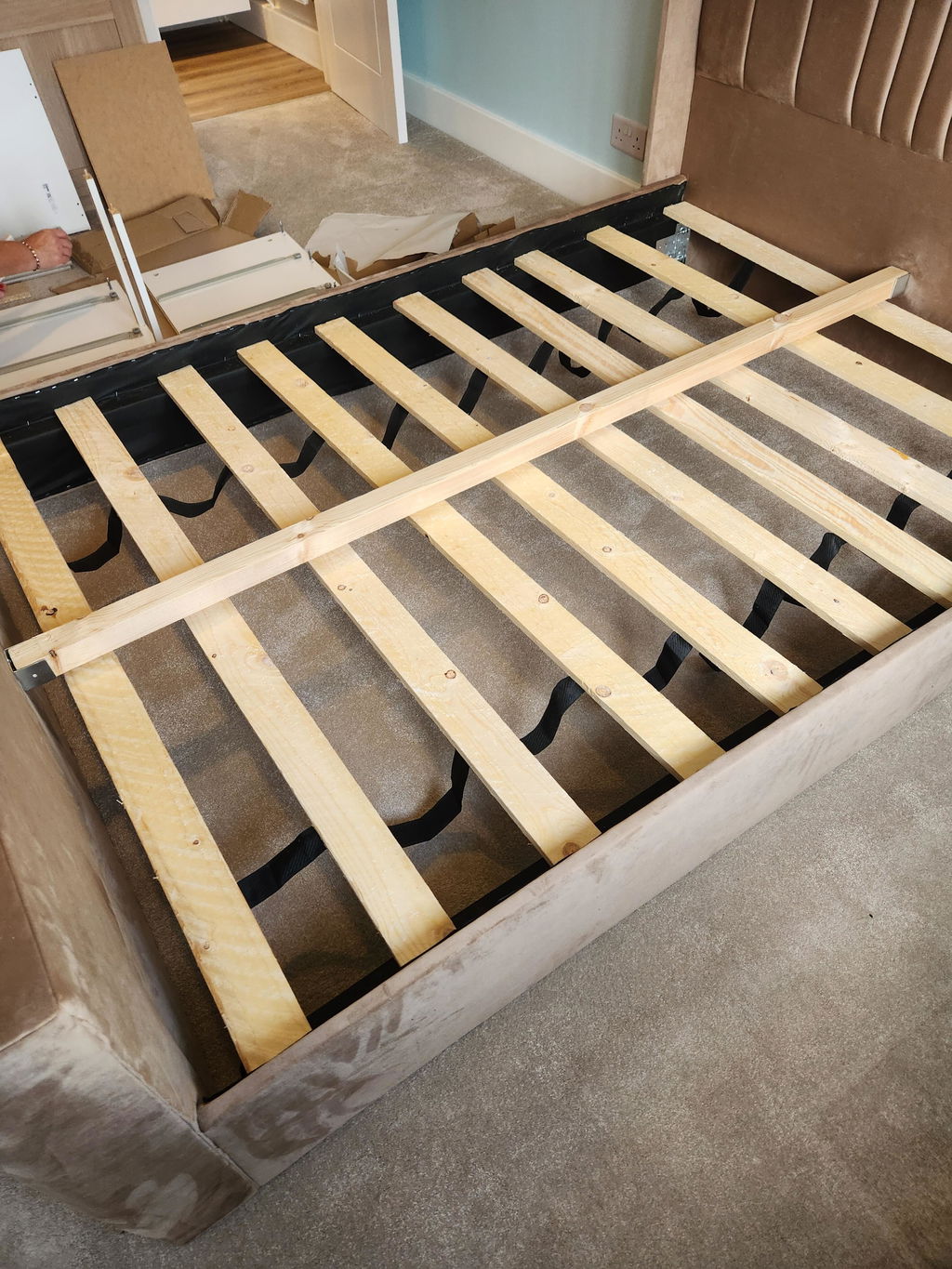
Many people care for the visible parts of the bed, such as the headboard and side rails, but forget the slats underneath the mattress. Slats carry a lot of weight every night. If they bend, crack, shift, or break, the rest of the frame also suffers.
A weak support system can cause mattress sagging, squeaking, uneven pressure, and stress on the side rails. If your bed has a center support leg, make sure it touches the floor properly. If it is loose or too short, the middle of the bed may dip.
Lift the mattress every few months and inspect the slats. Replace cracked pieces quickly. Make sure slats are evenly spaced and properly fixed. A strong support system protects both your mattress and your wooden bed frame.
Final Thoughts
A wooden bed can last for many years, but it needs basic care. Moisture, harsh cleaning, loose joints, pests, sunlight, dragging, and poor support can all reduce its lifespan. The damage usually starts small, which is why regular inspection matters.
Keep the frame dry, clean it gently, tighten loose fittings, inspect for bed bugs, and protect it from unnecessary pressure. These simple habits can help your wooden bed stay strong, quiet, and beautiful for much longer.
FAQs
How can I increase the lifespan of my wooden bed?
Keep your wooden bed dry, clean it with a soft cloth, avoid direct sunlight, tighten loose screws, check the slats, and inspect the frame for pests. Stable room conditions are especially important because wood reacts to changes in humidity.
Can bed bugs live in a wooden bed frame?
Yes. Bed bugs can hide in cracks, screw holes, joints, and headboards. They do not need to live inside the mattress only. The EPA specifically mentions cracks on bed frames and headboards as common hiding places.
Should I polish my wooden bed often?
No. Over-polishing can leave residue and may harm some finishes. Use polish or wax only when needed and choose a product suitable for your bed’s finish. Some furniture care guidance recommends infrequent polishing and avoiding silicone-based spray polishes.
Why does my wooden bed make noise?
A wooden bed usually starts making noise because of loose screws, weak joints, shifting slats, uneven flooring, or excess pressure on the frame. Tighten the fittings, check the slats, and make sure the bed is level.
Is sunlight bad for a wooden bed?
Too much direct sunlight can fade the finish and dry the surface unevenly. Keep your wooden bed away from strong direct sunlight or use curtains to reduce long-term exposure.